

- 2024-05-23
- David Charles
- (0)
- Uncategorized
Ecommerce Marketing Blueprint: Channels & Growth Hacks
In the dynamic and competitive world of ecommerce, crafting a winning marketing strategy is the cornerstone of success. This comprehensive guide serves as your blueprint for navigating the ever-evolving landscape of ecommerce marketing, empowering you to unlock explosive growth and elevate your brand to new heights.

Hire the best advertising marketers we have endorsed.
Are you ready to take your marketing game to the next level? Join our team of elite marketers at ad.wrstrend and be part of something extraordinary! Join us today and let’s make marketing magic together! 🚀
Skyrocketing Ecommerce Sales
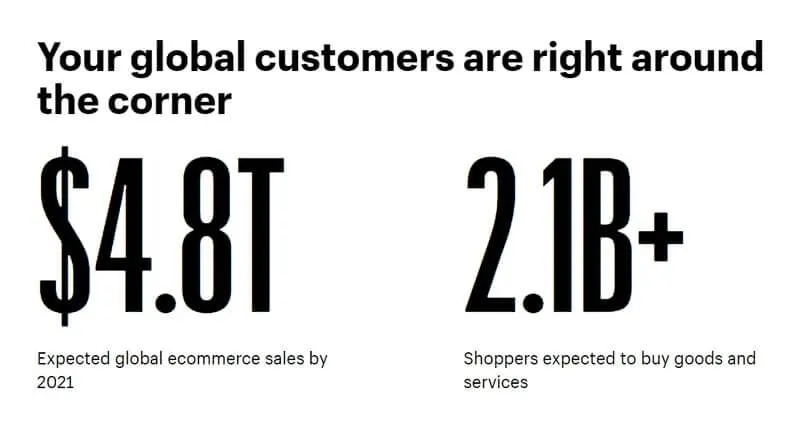
In the past two years, global sales of ecommerce products have soared. Projections indicate that sales will burgeon, doubling from pre-pandemic figures to reach a staggering $7 billion worldwide by 2025.
Seizing the Ecommerce Wave
The aspiration to harness this momentum and expand your ecommerce venture is universal.
Yet, the sheer volume of information can be overwhelming, leading many astray amidst the excess. Hence, we crafted this manual.
Inside this Guide
You’ll uncover:
- The blueprint for a flawless ecommerce marketing plan
- Essential marketing channels to integrate
- Proven strategies employed by leading brands to foster growth
Diving Deeper: What is Ecommerce Marketing?
Ecommerce encompasses the digital buying and selling of goods and services. Ecommerce marketing involves strategic promotional efforts to funnel traffic to your online storefront, convert visitors into loyal customers, and maintain those connections beyond the initial purchase.
Crafting a Comprehensive Ecommerce Marketing Plan
Your journey begins with pinpointing your ecommerce business model, which will influence your choice of marketing channels, customer personas, unique value propositions, and other facets of the digital marketing spectrum.
Types of Ecommerce Marketing
Ecommerce marketing is a multifaceted domain, encompassing various models that cater to different transactional relationships. Here’s a breakdown of the primary types:
B2C – Business to Consumer Engage directly with the end-user of your products, like clothing or entertainment. B2C transactions are usually quick, with minimal resistance from customers. Think of online fashion giants like ASOS or sports brands like Adidas.
B2B – Business to Business Cater to other businesses, offering products or services that aid their operations. B2B involves longer sales cycles but typically results in higher order values. Online services, such as Drift’s conversational marketing platform, exemplify this model.
C2B – Consumer to Business Flip the script as individuals offer their goods or services to companies. This model includes platforms where freelancers can bid on company projects and affiliate marketing services.
C2C – Consumer to Consumer Facilitate transactions between consumers, often involving used goods. Platforms like Craigslist and eBay thrive by charging listing or transaction fees.
Emerging Ecommerce Models
With ecommerce’s growth, new models have surfaced:
- D2C: Direct-to-Consumer brands bypass distributors, selling straight to buyers, reducing overhead.
- White Label: Companies brand and sell generic products sourced from distributors.
- Private Label: Retailers commission exclusive products from manufacturers.
- Dropshipping: Retailers sell products that are shipped by third-party suppliers, like AliExpress.
- Subscription Service: Industries embrace subscriptions for their convenience and savings.
Pro Tip: Enhance your marketing prowess with our guide on crafting a sample marketing plan tailored for your brand.

Types of Ecommerce Marketing Channels
Identifying the optimal inbound marketing channels is a crucial element of ecommerce marketing. While you may have numerous ideas for channel investment, these decisions should be informed by competitor analysis and tailored to your specific audience.
Key Marketing Channels to Consider:
Email Marketing Email stands as the most lucrative channel for ecommerce brands. It not only garners traffic but also converts it into valuable leads. The return on investment (ROI) for email marketing is impressive, with an average of $38 in sales for every $1 spent.
Email marketing’s versatility allows for personalized communication, precise targeting, and timely delivery, enhancing the likelihood of purchase.
Essential Email Flows:
- Cart Abandonment: Re-engage customers who have left items in their cart.
- Welcome Flow: Greet new subscribers or customers, introducing them to your community.
- Upsell/Cross-sell: Showcase recently viewed or cart-added items, along with related products.
- Shipping/Delivery Notifications: Keep customers informed about their order status, fostering loyalty and enhancing their experience.
Integrating email campaigns with other channels like SMS, chat messages, and push notifications can create a unified customer experience and boost sales. For instance, coordinating a push notification in the morning, a chat blast at noon, and an email campaign in the afternoon can significantly increase sales.
Social Media Marketing After establishing your email flows, turn your attention to social media. This powerful channel enables free audience engagement, driving clicks and sales.
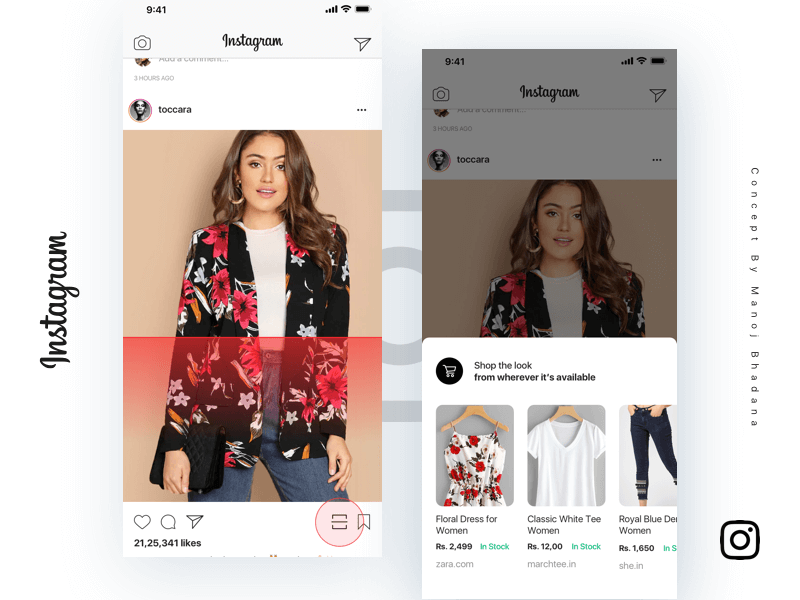
Ecommerce is inherently visual, necessitating the use of platforms like Instagram and Pinterest, which cater to users with high purchase intent.
Crafting a Solid Ecommerce Plan: A robust ecommerce strategy leverages audience data to produce content that resonates, optimizing engagement and storytelling.
As Neil Patel aptly put it, “The foundation of [effective ecommerce marketing lies in understanding and connecting with your audience, transforming data into compelling narratives that captivate and convert.”
Harnessing the Power of Social Media and Paid Advertising
A truly effective ecommerce plan doesn’t just piece together appealing designs. It gathers data about its audience and then uses that to create social media content. This is what helps them optimize, increase engagement, and become better at telling their story.
As Neil Patel once said, “The foundation of your marketing efforts is to understand who your target audience is and why they use social media.” To do this effectively, we need to utilize both demographics and psychographics.
Paid Advertising
Advertising is the top method to drive sales to your ecommerce store, and there are many ways to do it. Most marketers still allocate the majority of their advertising budgets to Facebook due to its superior ROI. Data indicates that an average Facebook user clicks on 12 ads per month, and Facebook boasts the largest audience with 2.14 billion people.
There’s a plethora of software available to enhance and automate your advertising campaigns. You can use platforms like Taboola or Outbrain to run native ads on large publisher sites. Tools like Mayple can help you consolidate all your advertising data in one place for better analysis.
For more insights into some of the best display ads that drive sales for ecommerce brands, be sure to check out our Ultimate Guide to Ecommerce Advertising.
Search Engine Optimization (SEO)
Another channel you should leverage is organic search. A study analyzing over 18,000 ecommerce stores in the United States found that 30.5% of all traffic came from organic searches on Google, Yahoo, and Bing. That’s almost a third!
And it’s not enough to just show up on Google; you need to be on the first page. Studies have shown that 70%-92% of all organic traffic is captured on the first page of Google, as consumers rarely visit the second page. Therefore, it’s crucial to rank at the top of the search engine results.
How do you achieve this?
Ecommerce SEO breaks down into two critical components:
On-Page SEO
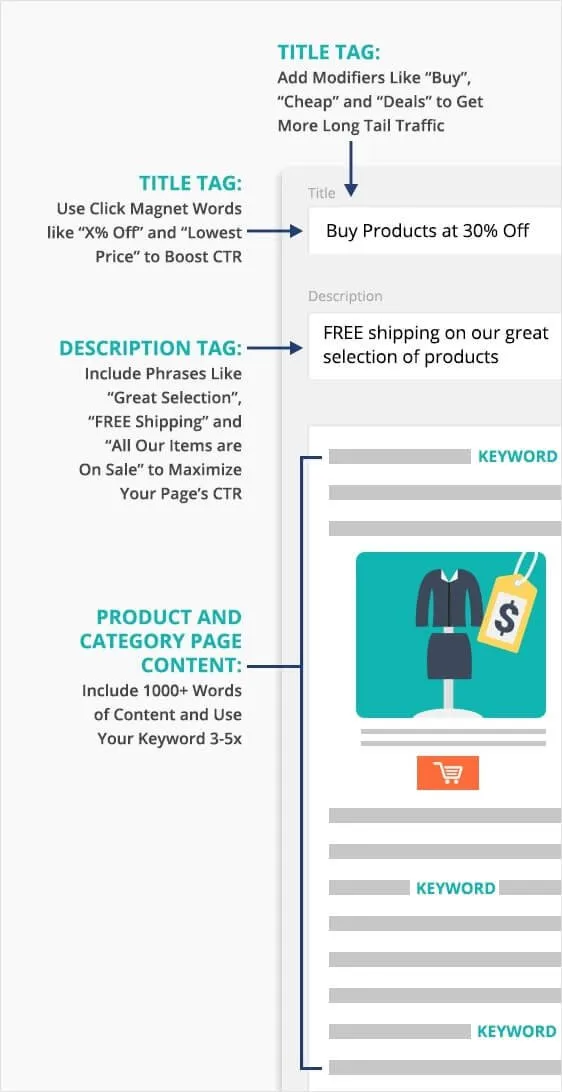
Optimize your site for search engines, particularly your category and product pages. This means incorporating your target keywords into the URL, title, headers, and meta descriptions. Also, ensure that you include all the different attributes of your items that searchers are looking for, such as dimensions, weight, warranty, color, and other important features.
Off-Page SEO
Gain more backlinks from reputable sites in your industry to improve your keyword rankings. This could involve partnerships with other blogs, writing blog posts that get shared and linked to by large publishers, or getting featured on gift guides.
This approach can also bolster your PR efforts. Utilize SEO tools to manage your backlink campaigns effectively.
There are many free SEO tools and software that can help you optimize both the on-page and off-page aspects of your SEO campaign.
Pro Tip: Leverage Google Shopping for Enhanced Visibility
Launching on Google Shopping can significantly increase your search visibility and organic traffic. It’s a channel well worth exploring to maximize your reach.
Conversion Rate Optimization (CRO)
With your acquisition channels in place and a steady stream of shoppers, honing in on conversion rates is essential. Data-driven insights are the foundation of every successful ecommerce business. Utilize heat maps and surveys to discern what resonates with your audience and what doesn’t.
Consider live recordings of user interactions on your site to identify and rectify problematic areas. Assess the ease with which users can navigate your site, add items to their cart, and complete purchases.
Key Areas for Testing:
- Ensure intuitive navigation with a clear top menu and site structure.
- Optimize site speed and compress images for faster loading.
- Display high-quality, eye-catching product images.
- Craft clear and compelling calls to action (CTAs).
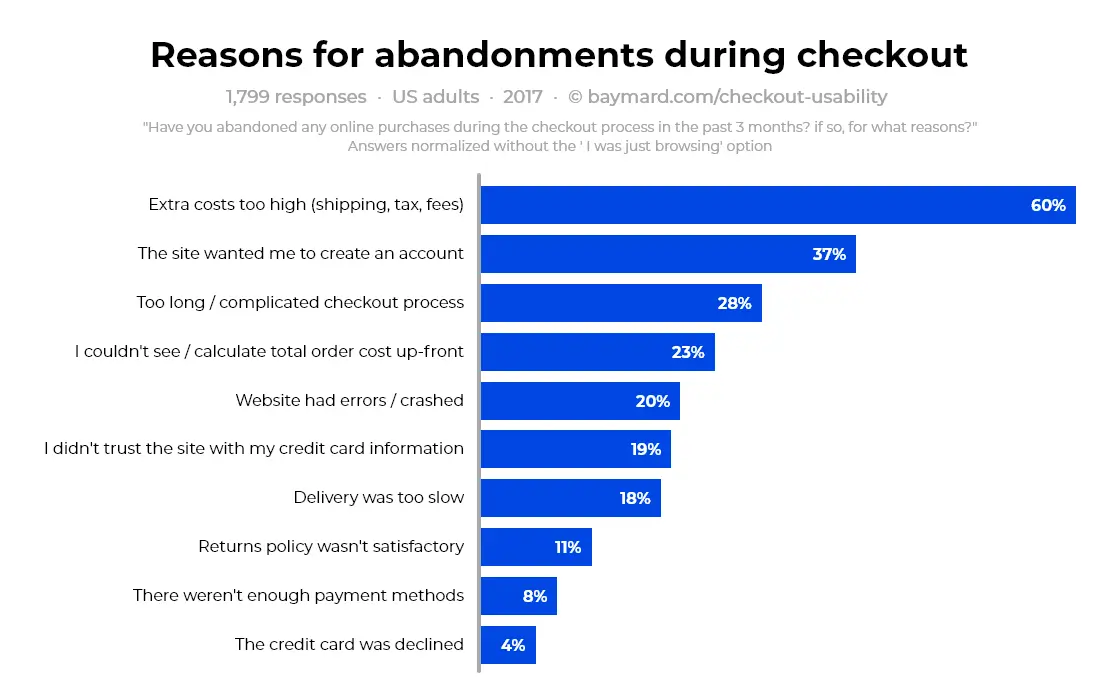
- Streamline the checkout process for efficiency.
- Utilize Google Analytics to monitor bounce rates and visit durations.
- Optimize your website for mobile users.
- Implement a live chat widget to boost online sales and address customer inquiries instantly.
Amazon’s rise to become the world’s largest ecommerce platform can be attributed to its focus on CRO, creating a seamless online shopping experience.
For an in-depth exploration, refer to our Ultimate Guide to Ecommerce Conversion Rate Optimization.
Content Marketing: The Educational Approach
Content is a pivotal element of digital marketing success. Quality content educates your audience and nudges them towards making a purchase. While many marketers concentrate on promotions and sales-driven posts, these tactics primarily convert visitors at the bottom of the funnel—those ready to make a purchase.
A holistic approach targets all stages of the marketing funnel: top, middle, and bottom. This involves creating educational content for early-stage visitors, comprehensive shopping guides for comparison shoppers, and timely promotions for those poised to buy.
By crafting long-form guides that address consumer queries, provide solutions, and weave engaging narratives, you can attract high-quality leads from individuals seeking such information.
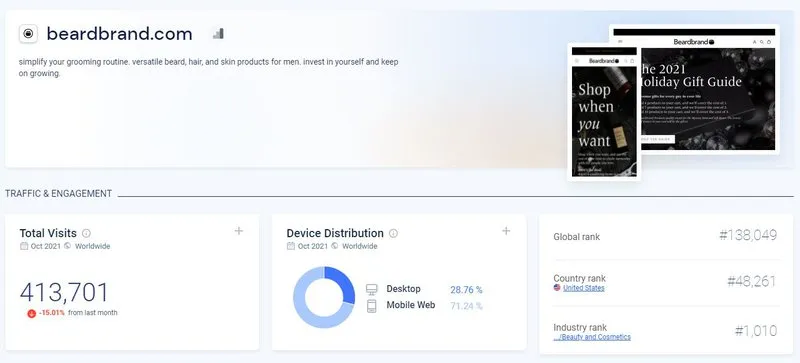
For instance, Beardbrand’s extensive beard-growing guide is a prime example of content that both educates and engages potential customers.
Hire the best advertising marketers we have endorsed.
Are you ready to take your marketing game to the next level? Join our team of elite marketers at ad.wrstrend and be part of something extraordinary! Join us today and let’s make marketing magic together! 🚀
Content Marketing: The Beardbrand Strategy
Eric Bandholz, the CEO & Founder of Beardbrand, emphasizes the power of content marketing, allocating a mere 10% of their marketing budget to ads. This strategic focus on content rather than traditional advertising underscores the value of organic reach and engagement.
Beardbrand’s impressive traffic, with over 400,000 monthly visitors, is a testament to their approach, with a whopping 72% of that traffic derived from organic search. This statistic not only highlights the effectiveness of their content marketing strategy but also the importance of SEO in driving substantial, high-quality traffic to an ecommerce site.
Public Relations (PR): Expanding Your Reach
For a deeper understanding, our Guide to Ecommerce Content Marketing is an invaluable resource. Public relations, an extension of content marketing, leverages large publisher platforms to disseminate your message. It’s a channel that has evolved into a blend of online and offline experiences, maintaining its popularity in the ecommerce space.
PR offers a unique opportunity to tap into an audience that’s already engaged and receptive. With tools designed to connect with journalists and influencers, you can significantly amplify your brand’s presence. While platforms like PressHunt provide access to a vast network of media professionals, it’s the strategic outreach that can truly make a difference.
Many publishers now feature online stores, offering to create dedicated pages for your products and promote them through their channels. This includes advertising in newsletters and crafting custom promotions tailored to their readership. Although PR can come with a higher price tag, its potential return on investment is substantial, potentially broadening your customer base and catalyzing growth.
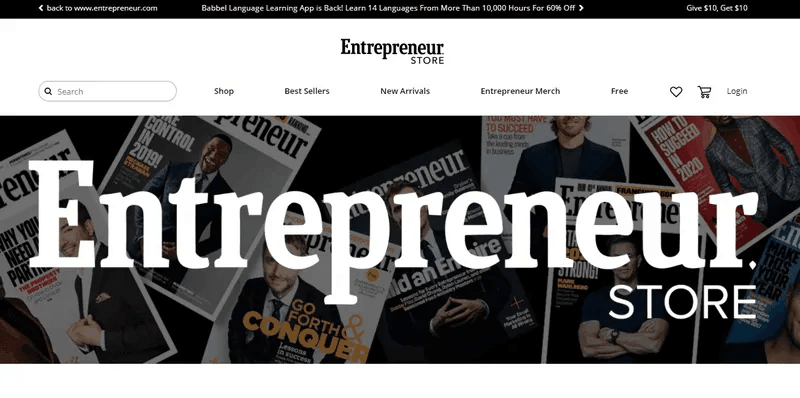
Take, for instance, the online store at Entrepreneur Magazine, which showcases a diverse array of gadgets, subscriptions, and products, serving as a prime example of PR’s power to highlight and elevate brands.
Affiliate Marketing: Monetizing Partnerships
Online publishers often turn to affiliate marketing as a lucrative revenue stream. It’s an effective method for monetizing relationships with blogs and publishers. Setting up an affiliate program can be straightforward, whether you choose to manage it independently with tools like Referral Candy or join expansive networks such as PepperJam, Share-a-sale, Rakuten, or Refersion.
The benefit of aligning with a large affiliate network is the access it provides to a vast array of publishers, blogs, and coupon sites, streamlining the management of external publication relationships.
Pro Tip: Affiliate tools aren’t just for external partnerships; they’re also versatile enough to manage loyalty programs for your customers and referral programs for influencers.
Influencer Marketing: Amplifying Your Brand
Influencer marketing is another potent channel for ecommerce growth. Influencers, with their dedicated and engaged audiences, can significantly amplify your brand’s reach. Identifying the right influencers can be done by exploring your own social media followers, conducting hashtag searches, or utilizing platforms like Heepsy to find the perfect match for your brand.
Maximizing Impact with Influencer Giveaways
One of the most impactful tactics in influencer marketing is orchestrating a giveaway campaign. By collaborating with a cadre of influencers who boast highly engaged audiences, you can launch a singular, large-scale giveaway. This not only garners attention but also fosters excitement and encourages widespread participation.
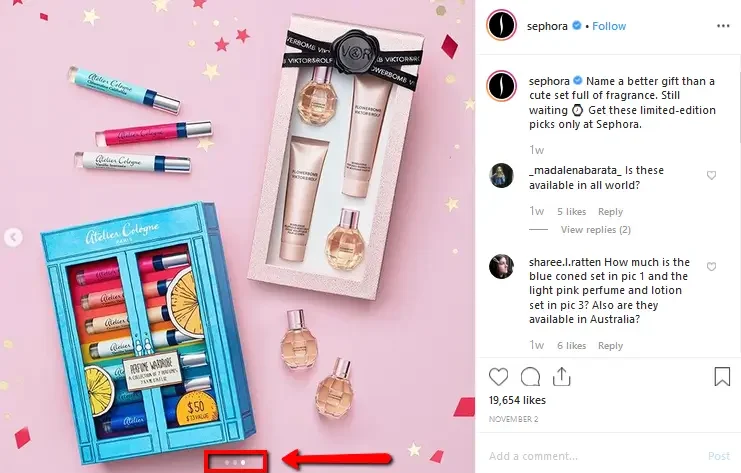
For example, a giveaway by Tory Burch demonstrated the power of this approach, amassing over 19,000 likes. Such campaigns can significantly enhance brand visibility and engagement, creating a buzz that extends far beyond the immediate circle of followers.
The Ecommerce Marketing Funnel: Nurturing Customer Relationships
The ecommerce marketing funnel is a journey that transforms prospects from “strangers” to “happy customers.” Each stage of the funnel is an opportunity to engage and progress the customer relationship, facilitated by a mix of ecommerce marketing channels.
Here’s a breakdown of the funnel stages:
Awareness Stage
At this initial stage, buyers are interacting with your website, curious about your offerings yet unfamiliar with your brand. Your goal is to educate and build trust, ideally capturing their contact information for further engagement. Offering a free guide or a compelling lead magnet can be particularly effective here.
Interest Stage
These individuals are actively shopping and have acknowledged that your offerings meet their needs. Keep them engaged by inviting them to join your newsletter, download valuable resources, or follow your brand on social media. They’re primed for the next step in the funnel.
Purchase Stage
Buyers at this stage are ready to make a purchase. They’re aware of how you can solve their problems or fulfill their needs and just require that final push to complete the transaction. Ensure a smooth transition with an easy and secure checkout process. Sweeten the deal with special offers or discounts for first-time buyers to encourage conversion.
Repeat Stage
Customers who have made a purchase are prime candidates for repeat business, particularly if they’re satisfied with their experience. Your objective is to maintain their happiness and incentivize additional purchases. Encourage them to become advocates for your brand, which in turn can attract new prospects to the top of your marketing funnel.
Deciding Between an In-House Marketer and an Agency
When it comes to executing your eCommerce marketing plan, the decision between hiring an in-house marketer and outsourcing to an agency is pivotal. Each option has its own set of advantages and challenges.
Pros of an In-House eCommerce Marketer:
- Customization and Control: You have direct oversight of your marketing efforts, ensuring they stay true to your brand’s vision.
- Dedicated Resources: An in-house team member is solely focused on your business, allowing for immediate action and attention to detail.
- Cost-Effectiveness: For smaller or newer companies, hiring internally may be more budget-friendly, especially if immediate ROI is uncertain.
Cons of an In-House eCommerce Marketer:
- Time Investment: Building and managing a team requires significant time, which could detract from core business activities.
- Complexity of eCommerce: The intricacies of global eCommerce operations demand specialized knowledge, which may necessitate additional hiring.
Pros of an eCommerce Agency:
- Expertise: Agencies bring a wealth of experience and proven tactics that can accelerate your growth.
- Efficiency: They can quickly launch and manage your online presence, saving you time to focus on other business areas.
- Compliance and Security: Established agencies adhere to security standards, offering peace of mind regarding payment and data protection.
Cons of an eCommerce Agency:
- Selection Risk: There’s always a risk in choosing the right agency that aligns with your brand’s needs and goals.
- Budget Management: Ensuring an agency sticks to your budget can be challenging.
- Divided Attention: Agencies serve multiple clients, which may affect the level of attention dedicated to your account.
Final Thoughts: Growing your eCommerce brand requires a strategic approach to marketing. Focus on user experience, content relevance, website optimization, targeted campaigns, and unique messaging. Start with foundational campaigns like social media engagement, PPC, SEO, and email marketing. As you gain traction, expand into influencer partnerships and user-generated content to bolster social proof.
Data-driven decision-making and a culture of testing and optimization are crucial. Encourage a team environment where A/B testing and data analysis are the norms for refining marketing strategies.
Ultimately, a successful eCommerce marketing strategy fosters trust, loyalty, and word-of-mouth recommendations. If internal resources are limited, consider outsourcing to a specialized eCommerce marketing agency or recruiting a skilled marketer to ensure your marketing channels are effectively managed.
Remember, the right choice depends on your specific business needs, resources, and long-term goals. Whether you choose to build an in-house team or partner with an agency, the focus should always be on aligning marketing efforts with your brand’s vision and objectives. If you’re looking for a marketer, platforms like ad.wrstrend can be a resourceful starting point.
Hire the best advertising marketers we have endorsed.
Are you ready to take your marketing game to the next level? Join our team of elite marketers at ad.wrstrend and be part of something extraordinary! Join us today and let’s make marketing magic together! 🚀
If you’re looking to select and develop the most effective eCommerce channels for your business, working with an experienced eCommerce expert can be invaluable. They can provide insights into the latest trends, help you understand your audience better, and craft strategies that align with your business goals.
An expert can assist you with:
- Channel Selection: Identifying which platforms and channels are most suited to your products and target audience.
- Growth Strategies: Developing tactics to increase your reach, improve engagement, and drive conversions.
- Data Analysis: Utilizing analytics to make informed decisions and optimize your marketing efforts.
- Content Creation: Crafting compelling content that resonates with your audience and enhances your brand’s presence.
- Campaign Management: Overseeing marketing campaigns to ensure they are effective, efficient, and yield the desired results.
Remember, the key to success in eCommerce is not just about being present on multiple channels but being strategic about where and how you invest your resources. An expert can help you navigate these decisions and set you on a path to growth and profitability.
If you’re ready to take your eCommerce channels to the next level, consider reaching out to a professional who can guide you through the process and help you achieve your business objectives. 😊

Leave a Reply